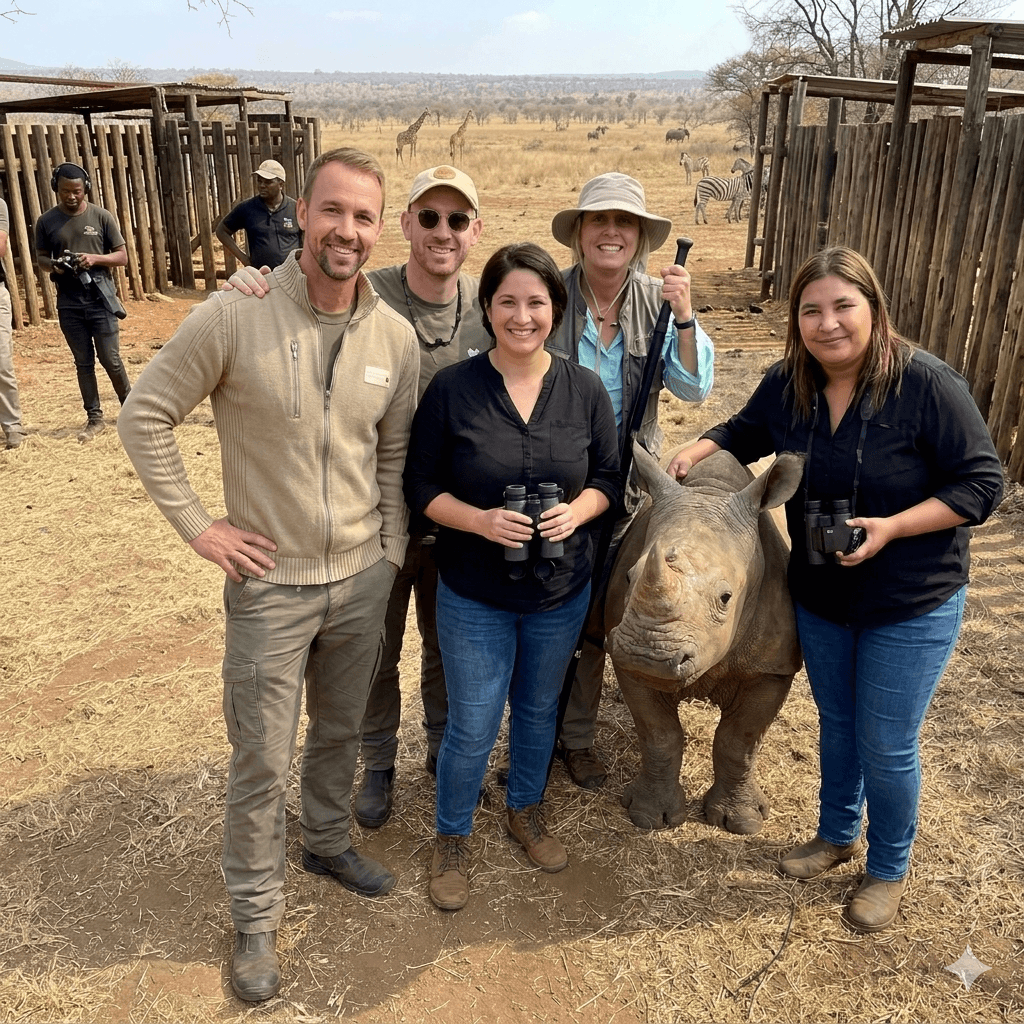
Choosing a family safari is one of the most significant travel decisions you’ll ever make. Beyond the thrill of seeing the Big Five, it’s an opportunity to create a lasting family memory and teach your children about our planet. But one question often causes the most anxiety: “How do we ensure our trip makes a positive impact?” The search for an answer can be overwhelming.
This is why our African experts, with over 50 years of combined experience, have created this guide on ranking safari country sustainability. Forget vague claims and greenwashing. This is a data-driven look at which countries are truly leading the way in conservation, community empowerment, and responsible tourism. We’ll provide you with a clear framework to help you choose a destination that aligns with your values, ensuring your once-in-a-lifetime trip contributes to the protection of Africa’s magnificent heritage for generations to come.
Why a Sustainability Ranking Matters for Your Family’s Safari
A safari is no longer just a vacation; it’s a statement. For families, it’s a powerful “teachable moment”. Choosing a destination based on its sustainability credentials transforms the trip from a passive viewing experience into an active lesson in global citizenship. It shows your children that travel can be a powerful force for good.
When you invest in a genuinely sustainable safari, you are:
- Funding Conservation: In addition to your park fees, you ensure your tourism dollars directly support anti-poaching patrols, habitat restoration, and wildlife research.
- Empowering Communities: You support operators and lodges who employ local guides, source local goods, and fund community projects like schools and clinics, ensuring that the people who live alongside wildlife benefit from its protection.
- Preserving Wilderness: You endorse a model of tourism that values pristine, uncrowded landscapes over mass-market development, keeping wild spaces wild.
An ethical safari isn’t about sacrificing comfort; it’s about adding meaning. It’s the difference between simply seeing a lion and knowing your visit helps ensure its grandchildren will roam the same plains.
Our Methodology: How We Ranked Each Country’s Safari Sustainability
To move beyond subjective lists, our experts developed a ranking system based on four core pillars aligned with our 5-Factor Safari Sustainability Score. A country must perform well across all four to be considered a true sustainability leader.
Factor 1: Conservation Policy & Protected Land
This measures a government’s long-term commitment. We look at the percentage of a country’s total landmass that is under formal protection (national parks, reserves, etc.), the strength of its environmental laws, and its participation in international conservation treaties.
Factor 2: Community-Based Conservation Success
True sustainability happens when local communities have a direct stake in protecting wildlife. We assess the success of community-run conservancies and the tangible benefits (jobs, education, healthcare) that conservation brings to local people.
Factor 3: Anti-Poaching & Wildlife Protection Effectiveness
We evaluate the funding and effectiveness of anti-poaching units and species recovery programs. Success is measured by stable or growing populations of key species like rhinos and elephants.
Factor 4: Low-Impact Tourism Model
The most sustainable destinations reject mass-market tourism in favor of a “high-value, low-volume” approach, minimizing the environmental footprint on fragile ecosystems.
The 2026 Safari Sustainability Rankings
Based on our four-pillar methodology, here is our data-driven ranking of Africa’s leading sustainable safari destinations.
| Rank | Country | Tier | Key Strength |
|---|---|---|---|
| 1 | Namibia | Tier 1: Global Leader | Community Conservancy Empowerment |
| 2 | Botswana | Tier 1: Global Leader | High-Value, Low-Volume Model |
| 3 | Rwanda | Tier 2: Strong Contender | Wildlife Recovery & Governance |
| 4 | Kenya | Tier 2: Strong Contender | Innovative Conservancy Models |
| 5 | Tanzania | Tier 2: Strong Contender | Scale of Protected Wilderness |
| 6 | Zambia | Tier 3: Emerging | Authentic, Guide-Led Experiences |
| 7 | Zimbabwe | Tier 3: Emerging | Resilient Conservation |
| 8 | Mozambique | Tier 4: Frontier | Wildlife Restoration Story |
| 9 | Malawi | Tier 4: Frontier | African Parks Transformation |
| 10 | Chad | Tier 4: Frontier | Elephant Recovery at Zakouma |
The 2026 rankings highlight countries with strong government policies, deep community involvement, and measurable conservation outcomes.
Tier 1: The Global Leaders in Sustainable Safaris
These countries have built their entire tourism identity around sustainability.
1. Namibia: A Global Model for Community Conservancies
Namibia was the first African nation to incorporate environmental protection into its constitution. Today, nearly 47% of the country is under some form of conservation management. These conservancies give rural communities legal rights to manage wildlife, contributing approximately N$140 million annually to local economies.
This model has produced remarkable results: Namibia’s elephant population has grown from 7,600 to over 23,600, and the country hosts the world’s largest free-roaming black rhino population.
2. Botswana: The High-Value, Low-Impact Pioneer
Botswana remains the gold standard. By focusing on low-density, high-cost lodges—particularly in the Okavango Delta—they minimize environmental impact while maximizing revenue. With over 37% of its land protected, Botswana leads in habitat preservation. In 2025 alone, the Wilderness Group paid USD 17.1 million toward conservation and development through this model.
How to Be a Sustainable Safari Traveler: A Checklist
Choosing the right country is the first step. Use this checklist to ensure your operator aligns with your values.
Ask These 4 Questions Before You Book
- Who owns the company? Prioritize African-owned companies to ensure money stays in the local economy.
- What is your guide’s employment policy? Look for companies that invest in professional development for local guides.
- Can you provide an example of a community project? Look for long-term partnerships in education or healthcare.
- What is your policy on single-use plastics? Reputable operators have clear environmental goals.
Expert Insight: “The most sustainable safari operators are almost always those with deep roots in the country. Their commitment is personal, not just a marketing slogan.” — Safari Planner Team