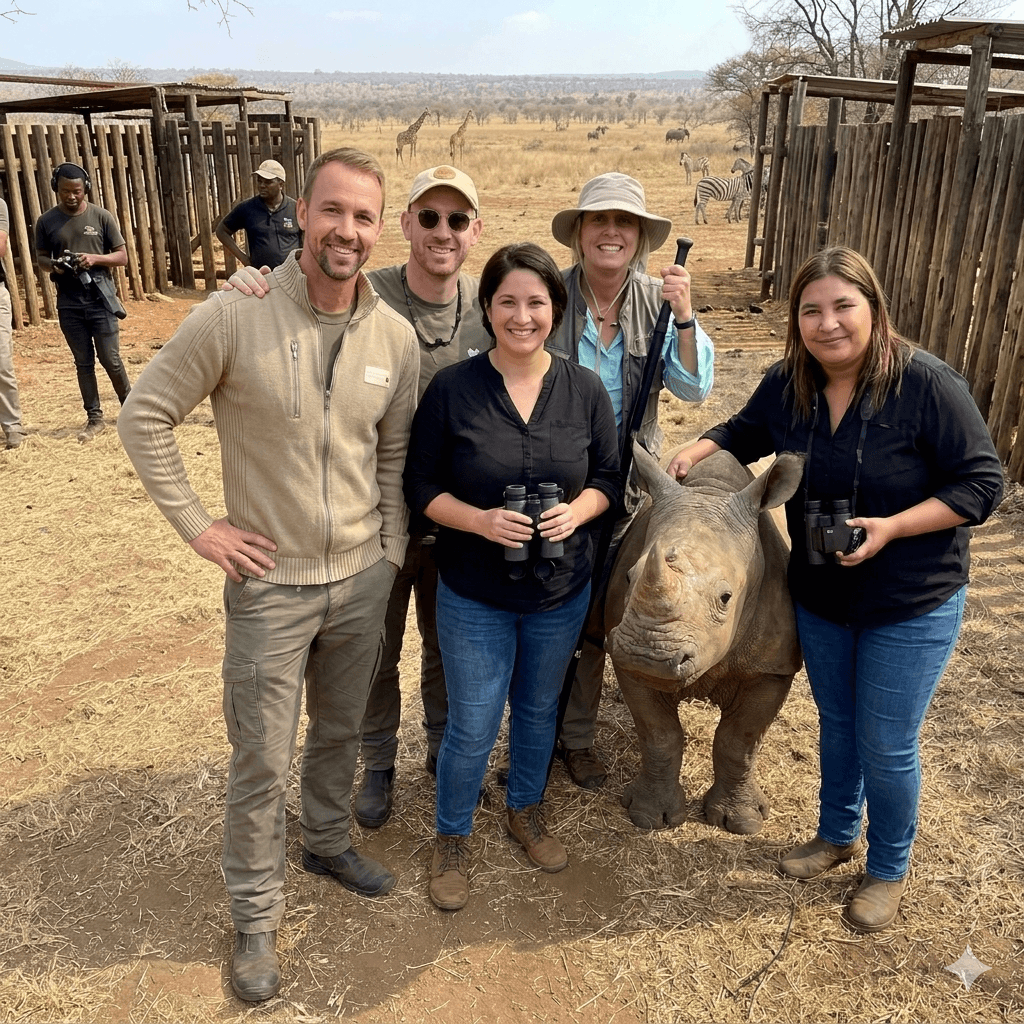
Planning an African safari is one of the world’s great bucket-list experiences — but with numerous destinations, seasons, and price points to consider, the logistics can feel overwhelming. Whether you’re a first-timer or a returning explorer, this guide covers everything you need to know: when to go, how long to stay, how much to budget, and the insider tips that separate a good safari from an unforgettable one.
1. When to Go: African Safari Seasons Explained
The single most important question in safari planning isn’t where to go — it’s when. Timing determines what you see, what you pay, and how crowded the parks will be.
Most of East and Southern Africa operate on two primary seasons: dry and green (rainy). Each has distinct advantages. For a full destination-by-destination breakdown, see our complete when-to-go guide.
Peak / Dry Season (July – October)
This is the classic time for game viewing across East and Southern Africa. Vegetation thins out, watering holes shrink, and animals congregate in predictable spots — making sightings far more frequent and dramatic. If witnessing the Great Migration in the Masai Mara or Serengeti is on your list, this is the window you need. Uncertain whether Tanzania or Kenya is the better base for migration? We’ve compared both in detail.
Best for: First-time safari-goers, big cat sightings, the Great Migration, photography.
Green / Shoulder Season (November – April)
Travelling during the rainy season comes with real rewards. Rates at lodges and camps can drop substantially, the landscape is lush and photogenic, and the parks are far less crowded. Migratory birds arrive in huge numbers, making it a paradise for birding safaris and special-interest travel. Wildlife can be more spread out, but that’s part of the adventure.
Best for: Budget-conscious travellers, birdwatchers, landscape photography, and honeymooners seeking privacy.
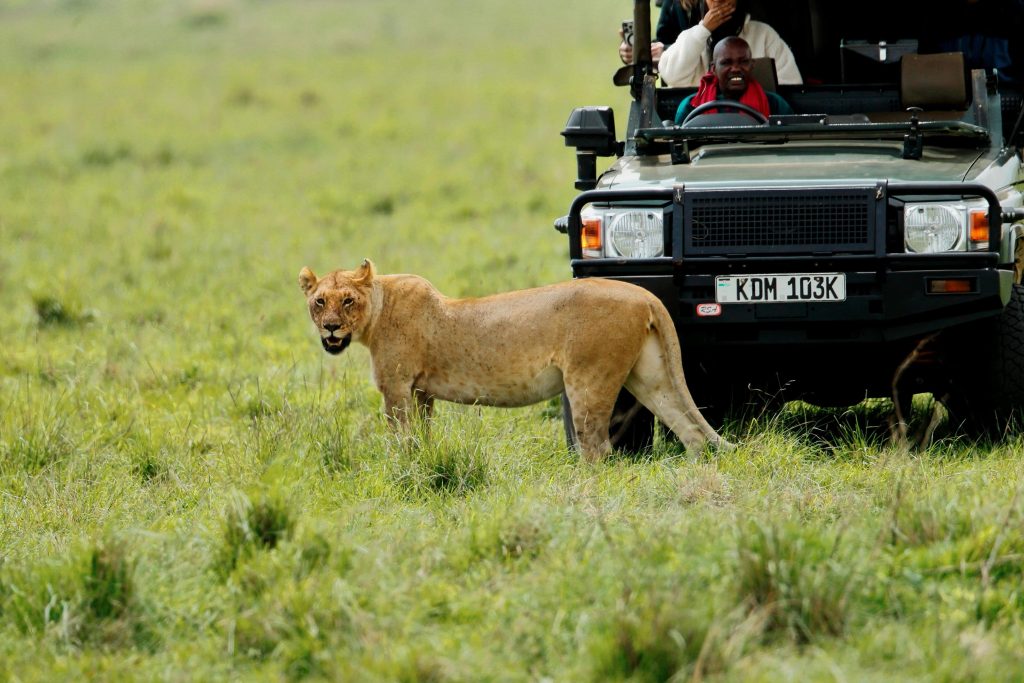
2. How Long Should Your Safari Be?
There’s no single right answer, but here’s how different trip lengths translate to real experiences:
The Taster: 1–3 Nights
Perfect for travellers with limited time who are based in Cape Town or Johannesburg. Reserves in the Western Cape or near Johannesburg offer excellent Big Five experiences within a short drive of the city. A taster safari is also a smart way to decide whether a longer trip is right for you.
The Classic: 7–10 Days
The sweet spot for most travellers. A week to ten days allows you to visit two or three distinct ecosystems — for example, combining the Kruger National Park with a private reserve, or pairing a Serengeti safari with Zanzibar for a beach and bush combo (see the FAQ below). Explore our destination guides to compare your options.
The Immersive: 10–14 Days
Two weeks lets you slow down, go deeper, and truly absorb the rhythms of the bush. You’ll have time to revisit game drives at different times of day and visit multiple countries. Most experts recommend this length for first-timers who want a comprehensive experience — see our first-time safari guide for more.
The Epic Overland: 50+ Days
For those with the ultimate luxury of time, a cross-continental overland journey — say, Cape Town to Nairobi — is a life-defining trip. These routes weave through multiple countries, biomes, and cultures, offering a depth of experience that a short fly-in safari simply cannot match.
3. How Much Does an African Safari Cost?
The “safaris are only for the wealthy” myth is one of the most persistent misconceptions in travel. The industry genuinely caters to every budget level. Use our interactive Safari Budget Calculator to get a personalised estimate, or read our full safari cost guide for a detailed breakdown.
Budget Camping Safaris
From ~$150–$200 per person per day
Camping safaris place you directly in the environment — often inside national parks — with qualified guides, proper equipment, and authentic bush experiences. For a thorough comparison of what you get at each price point, see our luxury vs. budget safari guide.
Mid-Range Lodge Safaris
From ~$300–$600 per person per day
Comfortable en-suite chalets, swimming pools, excellent food, and skilled rangers — without the five-figure price tag. Our safari accommodation styles guide walks you through every option from tented camps to boutique lodges.
Luxury & Ultra-Luxury Safaris
From $800 per person per day upwards
Private concessions, plunge pools, bush dinners under the stars, and a guide-to-guest ratio that ensures personalised, exclusive experiences.
Money-Saving Tip: Booking during the green/shoulder season can unlock 20–40% savings on the exact same camps and lodges. The bush doesn’t disappear in the rain — it just looks different.
4. Guided Safari vs. Self-Drive: Which is Right for You?
Both options are valid — the right choice depends on your experience level and travel style. Our safari types guide covers the full spectrum, from self-drive to fully guided fly-in safaris.
Self-drive safaris offer maximum flexibility and are popular in well-signposted parks. You set your own pace, stop when you want, and the cost savings are real.
Guided safaris give you access to knowledge that no guidebook can replicate. An experienced ranger reads the bush like a language — tracking pawprints, interpreting alarm calls, spotting a leopard tail hanging from a branch 200 metres away. If it’s your first safari, strongly consider hiring a guide for at least your first game drive. The difference in what you see and understand is transformative.
For help choosing a reputable operator, read our guide on how to choose a safari operator and our operator vetting philosophy.
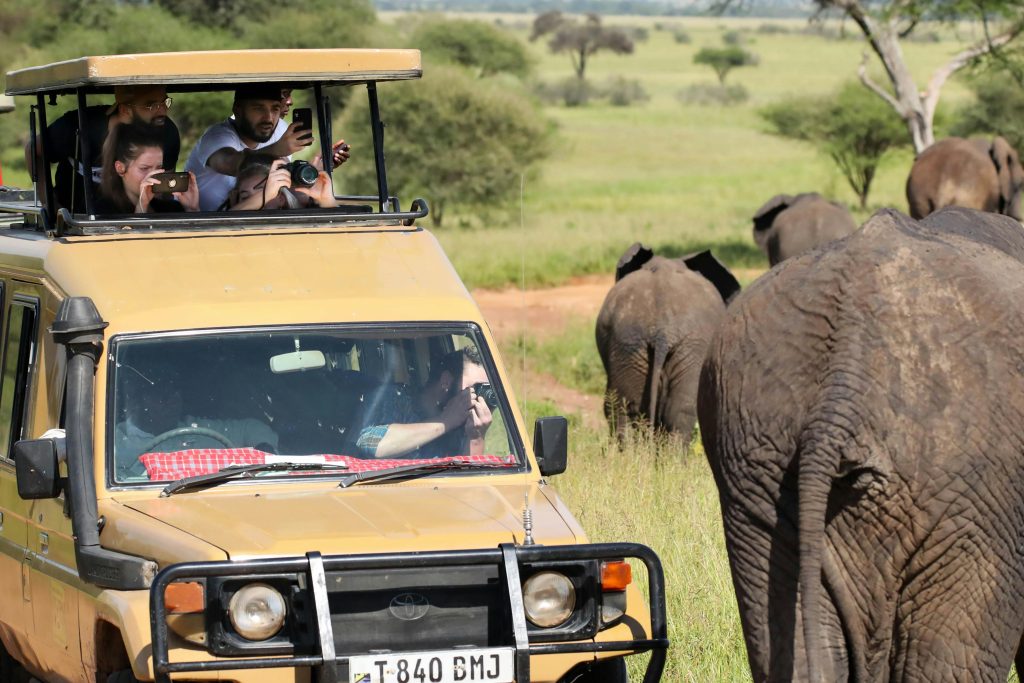
5. Choosing the Right Destination
Africa’s safari destinations are remarkably varied. The right one depends on your budget, travel style, and what you most want to see. Here’s a quick orientation:
- South Africa — Most accessible for first-timers; malaria-free options; excellent self-drive infrastructure.
- Kenya — Home of the Masai Mara and the Great Migration; classic East African safari.
- Tanzania — Serengeti, Ngorongoro Crater, and easy Zanzibar beach extension.
- Botswana — Okavango Delta; water-based safaris; low-volume, high-value tourism.
- Zambia — Walking safari pioneers; South Luangwa is world-class.
- Namibia — Desert landscapes; superb self-drive; Etosha National Park.
- Zimbabwe — Hwange and Victoria Falls; excellent guides; underrated value.
- Uganda — Gorilla trekking capital of the world.
- Rwanda — Premium gorilla trekking; compact and easy to combine with other East African destinations.
Still deciding? Try our AI-powered destination finder or browse our destination comparison guides.
6. Essential Safari Practicalities
Currency
The US Dollar is the most widely accepted currency across East and Southern Africa (Kenya, Tanzania, Zambia, Zimbabwe, Uganda). In South Africa and Namibia, you’ll need the South African Rand (ZAR). Most lodges accept card payments, but always carry some cash for tips and smaller purchases.
Tipping
Tipping is not mandatory, but it is expected for good service. Most lodges have a recommended tipping guide; ask for it on arrival. A general benchmark is $10–$20 per day for your guide and $5–$10 for camp staff.
Vaccinations & Health
Requirements vary by destination, but yellow fever vaccination is mandatory for some countries and recommended for others. Malaria prophylaxis is advised for most safari regions. Consult our malaria and health guide and a travel health clinic at least 6–8 weeks before departure.
Travel Insurance
Medical evacuation from a remote game reserve can cost tens of thousands of dollars. Never travel to Africa without comprehensive cover that includes evacuation. Read our safari travel insurance guide before you book.
Packing
The golden rule of safari packing: pack light and pack neutral. Use our Safari Packing List Generator to build a personalised list, or read the ultimate safari packing guide.
Frequently Asked Questions
What’s included in the price of a safari?
Most packages include accommodation, all meals, game drives, and park fees. At mid-range to luxury lodges, standard drinks (beer, house wine, soft drinks) are typically included. Premium spirits, fine wines, and flights are usually charged separately. Always confirm what’s included when booking. See our full cost guide for more details.
Can safaris accommodate dietary requirements?
Yes — most operators handle this routinely. Whether you’re vegetarian, vegan, gluten-free, or dairy-free, notify your operator at the time of booking, and the lodge kitchen will prepare accordingly.
What are the passport requirements for African safari countries?
Your passport must be valid for at least 6 months beyond your travel dates. For South Africa specifically, you must have at least two blank, facing pages — border officials will turn you away if this requirement isn’t met. Check our safari visa and entry requirements guide for country-specific details; many East African nations offer e-visas.
What is a “Beach and Bush” safari combo?
A beach and bush combo pairs a wildlife safari with a coastal beach stay — one of Africa’s most popular itinerary formats. The classic combinations are:
- Kenya: Masai Mara safari + Mombasa or Diani Beach
- Tanzania: Serengeti / Ngorongoro + Zanzibar
- South Africa: Kruger or a private reserve + Cape Town
Compare Tanzania vs Kenya to decide which version suits you best.
How do I choose an ethical safari operator?
This matters more than most travellers realise. Your spend should support local communities and conservation — not undermine it. Read our ethical safari guide and our guide on how your safari money stays in Africa.
Ready to Start Planning?
The best safari is the one that fits your timeline, budget, and sense of adventure — and Africa has a version for everyone.
- 🗺️ Find Your Perfect Safari Destination — our AI tool matches you in 30 seconds.
- 💰 Safari Budget Calculator — get a realistic cost estimate.
- 📋 Safari Planning Checklist — the full 12-month timeline.
- 📬 Contact our team — speak to a specialist.
Last updated: June 2026. Information is reviewed regularly to ensure accuracy. All prices are indicative and subject to change.