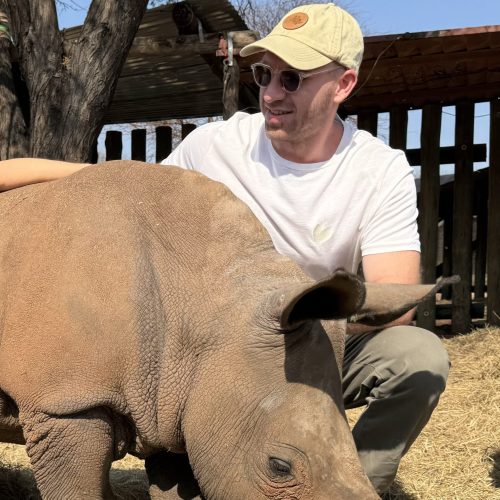
In a world filled with travel buzzwords, “sustainable” and “eco-friendly” can lose their meaning. Every lodge has a recycling program, and every brochure features a smiling local guide. But what does a truly impactful safari look like? It’s a journey where your presence directly contributes to the survival of a species, the empowerment of a community, and the restoration of a wild landscape. Our African experts, with over 50 years of combined experience on the ground, have identified the top impactful and sustainable safari reserves in Africa—places that go beyond the brochure to deliver a travel experience that changes you, and the world, for the better.
What Does an “Impactful Safari” Actually Mean?
An impactful safari moves beyond the surface level of sustainability. While renewable energy and eliminating plastics are important, they are now the minimum standard. True impact is about a demonstrable, positive, and lasting change for the environment and its people.
It’s More Than Solar Panels: The Three Pillars of True Sustainability
Our African experts evaluate reserves based on many factors, however here are three core pillars that separate the true leaders from the rest:
Verifiable Conservation Gains: The reserve must show clear evidence of success. This could be a growing rhino population, the recovery of a predator species, or the successful restoration of a vital habitat. It’s about data, not just promises.
Genuine Community Partnership: The local community must be a true partner, not just a recipient of occasional charity. This means direct ownership, fair land-lease agreements, and meaningful employment at all levels—from guides to management. When the community sees wildlife as more valuable alive than dead, conservation succeeds.
A Low-Impact, High-Value Model: The focus is on low-density tourism. Fewer vehicles, fewer guests, and exclusive access mean a better wildlife experience for you and less stress on the environment. This model ensures that the revenue per guest is high enough to fund ambitious conservation and community projects.
Your Quick Checklist for an Ethical Reserve
- Does it have a non-profit conservation or community trust?
- Are the majority of its guides and staff from the local community?
- Does it publicly report on its conservation successes and challenges?
- Is it certified by a reputable body like Fair Trade Tourism or The Long Run?
For a deeper dive into spotting genuine sustainability versus marketing spin, see our guide on safari greenwashing.
The Game-Changer: Why Community Conservancies are the Future of African Safaris
For decades, the conservation model was “fortress conservation”—fencing off national parks and excluding local people. This often created conflict. The modern, more successful approach is the community conservancy model, a true revolution in African tourism.
In this model, local communities (like the Maasai in Kenya or the Himba in Namibia) agree to lease their ancestral lands to a responsible tourism operator. In return, they receive a direct, guaranteed income, as well as employment, education, and healthcare benefits. This simple but powerful idea transforms the relationship between people and wildlife. Suddenly, an elephant is no longer a crop-raiding pest; it’s a vital part of an ecosystem that funds their children’s school fees. This is the single most powerful force for conservation in Africa today.
Learn more about how to ensure your safari money stays in Africa.
Our Experts’ Choice: Africa’s Most Impactful Reserves
This is not just another list. These are destinations our experts have vetted for their proven, long-term commitment to the three pillars of impact.
The Pioneer of Community-Led Conservation: Mara Naboisho, Kenya
Adjacent to the famous Masai Mara National Reserve, Naboisho is a trailblazer. It is owned entirely by over 500 Maasai families, who leased the land to create a protected space for wildlife. The results are staggering: it now has one of the highest lion densities in Africa and provides a vital corridor for the Great Migration. By visiting Naboisho, you are directly empowering the Maasai community to protect their own heritage.
Best for: Seeing the conservancy model in action, and incredible big cat sightings.
Don’t miss: A night game drive, which is not allowed in the main national reserve.
Explore our full Kenya Safari Guide or compare Tanzania vs Kenya for the Great Migration.
The Master of Habitat Restoration: &Beyond Phinda Private Game Reserve, South Africa
Thirty years ago, Phinda was a derelict pineapple farm. Today, thanks to one of the most ambitious habitat restoration projects ever undertaken, it is a thriving Big Five reserve. &Beyond methodically reintroduced key species, including cheetah and the critically endangered black rhino. It stands as a beacon of “rewilding” and proof that damaged ecosystems can be brought back from the brink.
Best for: Seeing critically endangered species, understanding the science of rewilding.
Don’t miss: A rhino tracking experience on foot with an expert conservation team.
Discover more in our South Africa Safari Guide or compare Botswana vs South Africa for luxury safaris.
The Champion of Endangered Species: Singita Grumeti, Tanzania
Located on the western edge of the Serengeti, the Grumeti Reserve was once a depleted poaching hotspot. Through a partnership between the Grumeti Fund and Singita, it has been transformed. Aggressive anti-poaching efforts and the reintroduction of black rhino have led to a dramatic recovery of wildlife populations. Visiting here directly funds one of the most successful conservation stories in East Africa.
Best for: Unparalleled luxury that is directly tied to a powerful conservation mission.
Don’t miss: Witnessing the Great Migration cross the Grumeti River.
Plan your trip with our Tanzania Safari Guide.
The Leader in Carbon-Neutral Tourism: Wilderness Mombo & Vumbura Plains, Botswana
In the heart of the fragile Okavango Delta, a UNESCO World Heritage Site, camps like Mombo and Vumbura Plains run 100% on solar power. They have set the benchmark for low-impact operations, from advanced wastewater treatment to eliminating single-use plastics. This commitment ensures that one of the world’s last true wildernesses remains pristine.
Best for: Experiencing a pristine ecosystem with a minimal environmental footprint.
Don’t miss: A silent mokoro (dugout canoe) safari through the Delta’s channels.
Learn how to plan a carbon-neutral safari or explore our Botswana Safari Guide.
The Protector of Primates: Volcanoes National Park, Rwanda
The comeback of the mountain gorilla is one of conservation’s greatest triumphs, and tourism is the hero of the story. The high price of gorilla trekking permits directly funds the national park’s anti-poaching patrols and supports local communities, giving them a compelling reason to protect the gorillas and their forest habitat.
Best for: A profound, life-changing encounter with our closest living relatives.
Don’t miss: Spending an hour with a habituated mountain gorilla family.
Read our Rwanda Safari Guide, find out if Rwanda is worth it for safari, or compare Uganda vs Rwanda for gorilla trekking.
The Guardian of the Last Wild Rhinos: Palmwag Concession, Damaraland, Namibia
In the stark, otherworldly landscapes of northwest Namibia lies a 550,000-hectare protected area that represents one of conservation’s most remarkable success stories. The Palmwag Concession in Damaraland is home to the last free-roaming population of black rhinos in the world—animals that wander unfenced across communal lands, protected not by barriers but by an extraordinary partnership between communities, NGOs, and the tourism industry.
By 1982, the black rhino population in the Kunene had been reduced to dangerously low numbers, with fewer than 50 individuals surviving. Today, Namibia hosts almost 35% of the world’s remaining black rhino population, with more than 100 roaming the Kunene region alone. This recovery is the direct result of the Save the Rhino Trust, founded in 1982 as the only conservation NGO in Namibia mandated by the government to monitor and protect black rhinos in the region.
What makes Palmwag truly exceptional is its community conservancy model. The concession is held by the “Big 3” Conservancies—Sesfontein, Anabeb, and Torra—whose communal protected areas border the concession. Approximately 11 percent of camp revenue is shared directly between the conservancies, Save the Rhino Trust, and rhino conservation efforts. Local community members serve as Rhino Rangers, patrolling 25,000 square kilometres on foot, by vehicle, and even by mule across some of Africa’s most inaccessible terrain.
The results speak for themselves. Between 2018 and mid-2020, not a single rhino in this population was poached—a stunning achievement considering these animals live in an unfenced landscape on formally unprotected communal lands. As one ranger explains simply: “Most of us understand that the rhino pays us.”
Beyond rhinos, Palmwag protects rare desert-adapted species including lion, elephant, and giraffe—animals that have evolved remarkable behaviours to survive in one of Africa’s harshest environments. The desert elephants of Namibia are one of only two known populations of desert-dwelling elephants in the world, routinely travelling up to 70 kilometres between feeding grounds and scattered waterholes.
Best for: Tracking critically endangered black rhinos on foot in a true wilderness, and experiencing Namibia’s pioneering community conservancy model.
Don’t miss: A rhino tracking experience with Save the Rhino Trust rangers, contributing to the longest-running black rhino database in the world.
Explore our full Namibia Safari Guide or compare Namibia vs Zambia for adventurous travel.
How to Be a More Conscious Safari Traveler
Your choices can amplify your positive impact.
Pack with Purpose: Bring items that can be donated to local schools or communities, such as school supplies or solar lights. Ask your operator what is most needed. Use our safari packing list generator to plan ahead.
Offset Your Carbon Footprint: International flights are the biggest environmental downside of a safari. Use a reputable service to calculate and offset your flight’s carbon emissions. Learn more in our carbon-neutral safari planning guide.
Support Local Artisans, Ethically: Buy souvenirs directly from local craft markets or from lodge shops that are certified as Fair Trade, ensuring the artisan receives a fair wage.
For more tips, read our full ethical safari guide.
Frequently Asked Questions about Sustainable Safaris
1. Is a sustainable safari more expensive?
Often, yes. This is because the price includes significant conservation and community levies. It reflects the true cost of protecting vast landscapes and supporting communities. Think of it not as an expense, but as a direct investment in the future of the places you are privileged to visit. Use our safari budget calculator to plan accordingly, or learn more about how much a safari costs.
2. What is the difference between a private reserve and a national park?
National parks are government-run and open to the public, which can sometimes lead to crowding. Private reserves are typically exclusive-use areas with a limited number of guests, allowing for more intimate wildlife viewing and activities like night drives and walking safaris. Explore different safari types to find your fit.
3. How do I know if a lodge is truly “eco-friendly”?
Look for specifics, not just claims. Do they publish an annual sustainability report? Are they certified by an independent body like Fair Trade Tourism? Do they have a separate non-profit foundation? The best operators are transparent about their impact. Our how to choose a safari operator guide can help you vet your options.
4. Which country is doing the most for conservation in Africa?
Different countries excel in different areas. Botswana has a high-value, low-impact tourism model. Namibia has enshrined conservation in its constitution and pioneered the community conservancy movement. Kenya is a leader in the community conservancy model. Rwanda has shown incredible success in primate conservation.
5. Can my safari really make a difference?
Yes. Every dollar spent at a reputable, sustainable lodge is a powerful economic vote for conservation. It proves to governments and local communities that protecting wildlife and wild spaces is a more viable and profitable long-term strategy than the alternatives.
Your Journey is Africa’s Future
Choosing a sustainable safari is one of the most powerful and direct ways to participate in the conservation of our planet’s most iconic wildlife. It is a decision to be a traveler, not a tourist—a participant, not just an observer. Your journey becomes part of a legacy of protection and empowerment for generations to come.
Ready to find a safari that aligns with your values? Use our AI Safari Quiz to match your travel style and interests with a vetted, truly sustainable operator. Or if you’re just getting started, check out our first-time safari guide and A-Z safari planning resource.