
People talk about the impact of the safari industry in abstract terms, in dollars contributed to a country’s GDP or hectares of land protected. But these numbers, while important, miss the heart of the story. They miss the human element. The real impact of your safari is not a statistic; it’s a story.
It’s the story of a ranger whose family is the first to send a daughter to medical school. It’s the story of a woman challenging cultural norms to lead a world-class tracking team. It’s the story of a community transforming its future by choosing to protect its ancestral lands. These are the changes powered by your decision to travel.
This article isn’t about data. It’s about introducing you to the people on the ground whose lives and work are inextricably linked to your journey.
Beyond the Brochure: The Unseen Engine of Change
When you book a responsible safari, you are doing more than buying a vacation. You are becoming a shareholder in a complex, conservation-based economy. The fee you pay for a park permit, the night you spend at a community-owned lodge, the handicraft you buy from a local artisan—each transaction is a vote for a future where people and wildlife can thrive together.
Let’s step behind the curtain and meet the people who make that future a reality.
Meet the People Your Journey Empowers
The Ranger: The Legacy of Daniel Ole Sambu
The story of the modern African ranger is epitomized by the late Daniel Ole Sambu, a former Maasai warrior who became a global leader in conservation with the Big Life Foundation. Until his passing in late 2025, Daniel served as the coordinator for the Predator Compensation Fund, a program that fundamentally changed how local communities view lions and elephants.
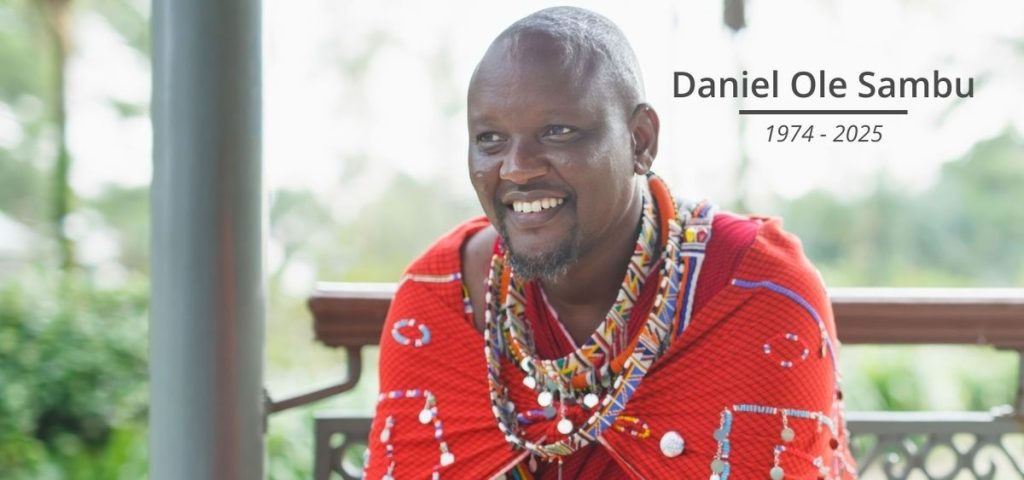
“Conservation is carried on human shoulders,” Daniel often said. His work, funded directly by the conservation economy and tourism revenue, transformed former hunters into the frontline of defense for East Africa’s wildlife. Though Daniel is no longer with us, the systems he built- where park fees pay ranger salaries and protect livestock- continue to thrive. By traveling thoughtfully, you support the rangers who carry on his mission, ensuring that his vision of a world where people and predators coexist remains a reality.
Source: Big Life Foundation
The Lodge Manager: Bibi Giyose’s Vision of Community Ownership
At !Xaus Lodge in the Kgalagadi Transfrontier Park, the concept of “community-owned” is a lived reality. The lodge is managed by Bibi Giyose and is owned by the ‡Khomani San and Mier communities. Unlike traditional models, the land was returned to the community in a historic land claim, and the lodge was built to provide them with a sustainable future.
Every guest who stays at !Xaus contributes to a rental fee that goes directly into a community investment trust. “This is about dignity and ownership,” Bibi explains. The revenue has funded essential infrastructure and provides a marketplace for traditional crafts, ensuring that the ‡Khomani San culture is preserved and celebrated rather than lost.
Source: !Xaus Lodge: Community Ownership
The Guide: Testimony Jockonia’s Trailblazing Path
In Zimbabwe, earning a Professional Guide license is one of the most rigorous challenges in the safari world. Testimony Jockonia, working with African Bush Camps, has become a symbol of what is possible when the industry invests in local talent. As a female guide in a traditionally male-dominated field, she has mastered everything from leopard tracking to the complex mechanics of 4×4 vehicles.
Testimony doesn’t just lead drives; she leads her community. Through her role, she mentors young girls in rural Zimbabwe, showing them that a career in conservation is a path to independence. By choosing operators that prioritize local, diverse hiring, travelers directly support the career of leaders like Testimony.
Source: African Bush Camps: Our Guides
The Artisan: The Shanga Community’s Sustainable Art
Just outside Arusha, Tanzania, a bustling workshop called Shanga (part of the Elewana Collection) transforms the “trash” of the safari industry into world-class art. Shanga employs over 70 people with disabilities—a group often marginalized in the rural workforce—to recycle glass bottles from safari camps into shimmering beads and glassware.
“Shanga” means “bead” in Swahili, but for the artisans, it means a fair wage, medical benefits, and a sense of purpose. When travelers visit the workshop and purchase a necklace or a hand-blown glass, they aren’t just buying a souvenir; they are funding a model of circular economy that protects the environment and provides a lifeline for dozens of families.
Source: Shanga: About Us
The Thread That Connects It All: Your Decision to Travel
Daniel, Bibi, Testimony, and the artisans at Shanga may work in different corners of the continent, but their stories are all woven together by a single, powerful thread: your decision to travel thoughtfully.
The operator you choose, the lodge you book, and the parks you visit are not just logistical details—they are real-world consequences. When you choose partners who are deeply invested in their local communities and ecosystems, you are no longer just a spectator of the wild. You become an active participant in Daniel’s legacy, Bibi’s community ownership, and Testimony’s trailblazing career. Your journey is the engine that keeps these stories of positive change moving forward.
How to Be Part of the Story
You have the power to make your journey as impactful as it is unforgettable. The first and most important step is selecting the right partners.
- Choose an operator committed to positive impact. We can help you connect with vetted, locally-owned safari experts who share your values.
- Understand how your budget creates change. See how park fees and accommodation choices directly contribute to the conservation economy with our Safari Cost Calculator.
Frequently Asked Questions
How does my safari booking directly help wildlife conservation?
A significant portion of your safari cost is made up of park and conservancy fees. This money is paid directly to the wildlife authorities and land trusts responsible for protecting the wilderness. It funds ranger salaries, anti-poaching patrols, veterinary care, and vital ecological research.
What is a “community conservancy” and how does it help people?
A community conservancy is land owned by a local community that is set aside for wildlife conservation. The community partners with a tourism operator who builds a lodge on the land. In return, the community receives direct, reliable income from every guest who stays, creating a powerful economic incentive to protect wildlife.
Are there opportunities to visit a local community or school on safari?
Yes, many reputable operators can arrange for respectful and authentic cultural interactions, such as a visit to a local village, school, or community project they partner with. It’s crucial that these visits are not voyeuristic but are part of a genuine, long-term relationship the operator has with the community.
How can I ensure my guide is paid a fair wage?
Choosing a reputable, locally-based tour operator is the best way to ensure fair labor practices. These companies build their reputation on the quality of their guides and invest in their training, retention, and well-being. Your operator will also provide tipping guidelines, which is a vital way to supplement your guide’s income.
Your Safari Is More Than a Vacation
A safari is a journey to the heart of the wild, but it is also a journey into the heart of a community. It is a chance to leave a legacy—not just of memories for your family, but of empowerment, opportunity, and hope for the people who call these magnificent places home. That is the real impact of your safari.